 Talking Science Podcast
Pain – Why It Hurts and What It’s For
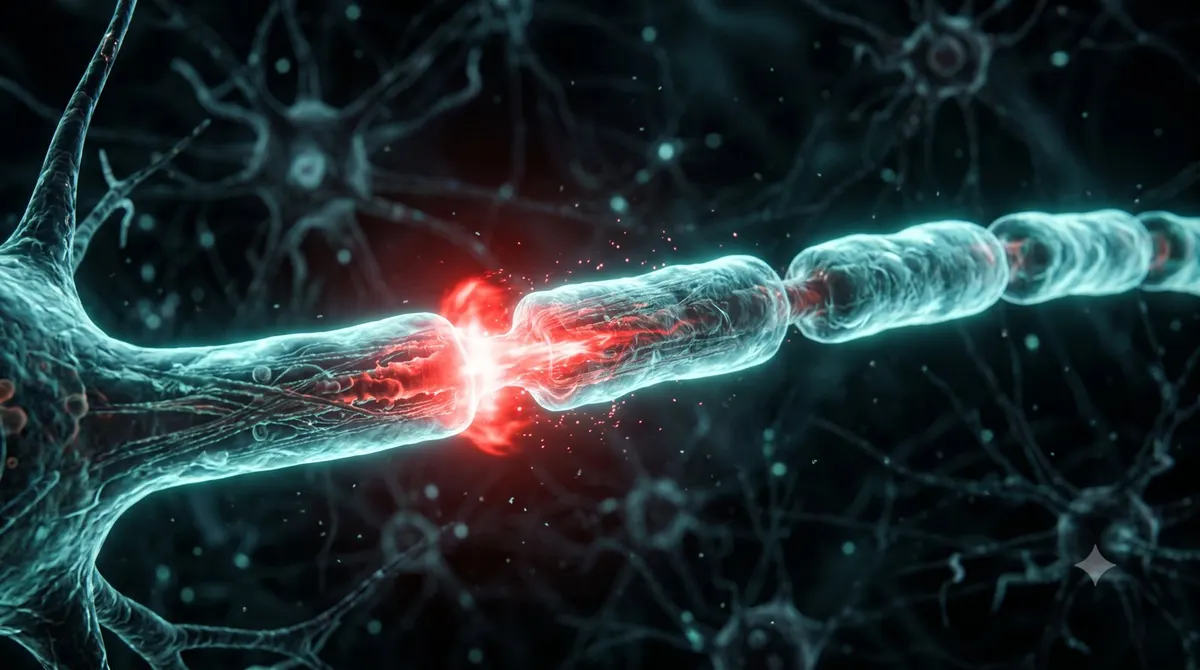
Nobody likes pain. We spend a good deal of our lives trying to avoid it, and when it arrives we want it gone. Yet pain is one of the most valuable things your body can produce, and the rare people born unable to feel it tend to live short, dangerous lives, injuring themselves without ever knowing. Pain, for all its unpleasantness, is not your enemy. It is one of your most devoted protectors, and understanding how it works reveals something surprising: pain is stranger, and more mental, than it feels.
An Alarm System, Not a Measurement
The first thing to understand is what pain is for. It is a warning. When tissue is threatened or damaged, pain grabs your attention and forces you to act, to pull your hand from the flame, to rest a twisted ankle, to protect a wound while it heals. It is an alarm system evolved to keep you alive and intact. This is why it feels so urgent and hard to ignore; an alarm that was easy to overlook would not do its job.
But here is the crucial subtlety. Pain is not a direct readout of how injured you are, the way a fuel gauge reads how much petrol is in the tank. It is better understood as the brain’s judgement about how much danger you are in. Those two things usually line up, but not always, and that gap is the key to everything else about pain.
From Injury to Signal
Scattered throughout your skin, muscles, and organs are special nerve endings that detect potential harm, things like intense heat, strong pressure, or damaging chemicals released by injured tissue. When these detectors fire, they send electrical signals racing along nerves toward the spinal cord and up to the brain. This raw danger-detection is sometimes called nociception, and it is the body’s way of flagging that something might be wrong.
Notice what has and has not happened at this stage. A signal has been sent, but no pain has yet been felt. The message is just information travelling up the wiring. Whether it becomes the conscious experience we call pain depends entirely on what the brain does with it next.
The Brain Makes the Pain
This is the idea that surprises most people: pain is produced by the brain, not by the injured body part. The knee does not contain pain; it sends signals, and the brain decides whether to generate the feeling of pain and how intense to make it. Pain is real, always, but it is constructed in the mind rather than delivered ready-made from the tissue.
The brain makes this decision using far more than the incoming danger signal. It weighs context, past experience, emotion, attention, and its own assessment of the situation. This is why a soldier or an athlete can suffer a serious injury in the heat of the moment and barely notice it until later, when it is safe to feel it. The danger signals were arriving, but the brain, judging that survival mattered more, turned the volume down. Pain is the output of a calculation, not a simple echo of harm.
Why the Same Injury Can Hurt Differently
Once you see pain as the brain’s construction, some puzzling everyday experiences make sense. The same stubbed toe can be a minor annoyance on a good day and agony on a bad one. Fear and expectation can amplify pain, while distraction, calm, and reassurance can ease it. A paper cut on your fingertip hurts out of all proportion to its size, because that part of the body is densely wired and its input is treated as important.
These are not signs that pain is imaginary or that people are exaggerating. Quite the opposite. They show that pain is a genuine product of a sophisticated system that is always taking context into account. The feeling is always real; what varies is the brain’s judgement of how much protection the situation calls for.
When the Alarm Won’t Switch Off
All of this works wonderfully for short-term, or acute, pain, the sprained wrist that hurts until it heals and then falls silent. But sometimes pain outlasts its usefulness. In chronic pain, the alarm keeps ringing long after any injury has healed, or without a clear injury at all. The pain system itself can become oversensitised, learning to sound the alarm too easily, as though the volume dial has become stuck too high.
This helps explain why chronic pain is so difficult and why it is not a matter of tissue damage alone. The problem has moved into the pain system itself. Understanding this has reshaped how such pain is approached, taking it seriously as a real condition of the nervous system rather than dismissing it. This is a complex medical area, and anyone living with persistent pain deserves proper professional care rather than any advice from an article.
Respecting the Signal
It is a strange thing to feel gratitude toward something so unpleasant, but pain earns it. Every twinge that makes you rest an injury, every sting that pulls your hand from danger, is your body looking after you with remarkable care. Pain is not a design flaw or a punishment. It is a protective story your brain tells using the information it has, usually wisely, occasionally too loudly. Understanding that it is created rather than simply received does not make it hurt less, but it does make it a little easier to respect the extraordinary system doing its best to keep you safe.


